


This bi-weekly product update delivers key enhancements focused on advancing integration, security, and automation for our developers and admins. We've rolled out a deeper integration between Orchestration Engine and Action Flows, extended the PyCelonis library to programmatically manage Studio Views for better Continuous Integration / Continuous Deployment (CI/CD), and introduced more secure OAuth authentication for custom AI models in Admin Settings. Dive into the post to see all the new and improved features.
All changes listed below are in General Availability. To take part in early previews, check out the list of opportunities here.
Breaking Changes:
ADMIN
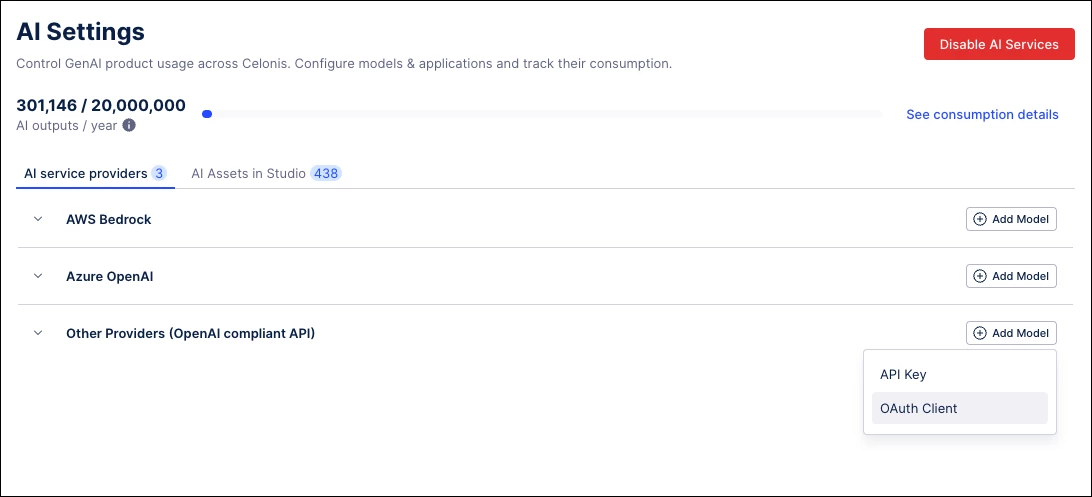
IMPROVED OAuth Support for BYOM Models in AI Settings
Admins can now add custom OpenAI compliant models (BYOM) using OAuth 2.0 (Client Credentials flow) as a secure alternative to the default "API Key" method. This new option enhances security and flexibility for AI integrations, connecting your Celonis products to a wider range of third-party model providers.
ORCHESTRATION ENGINE
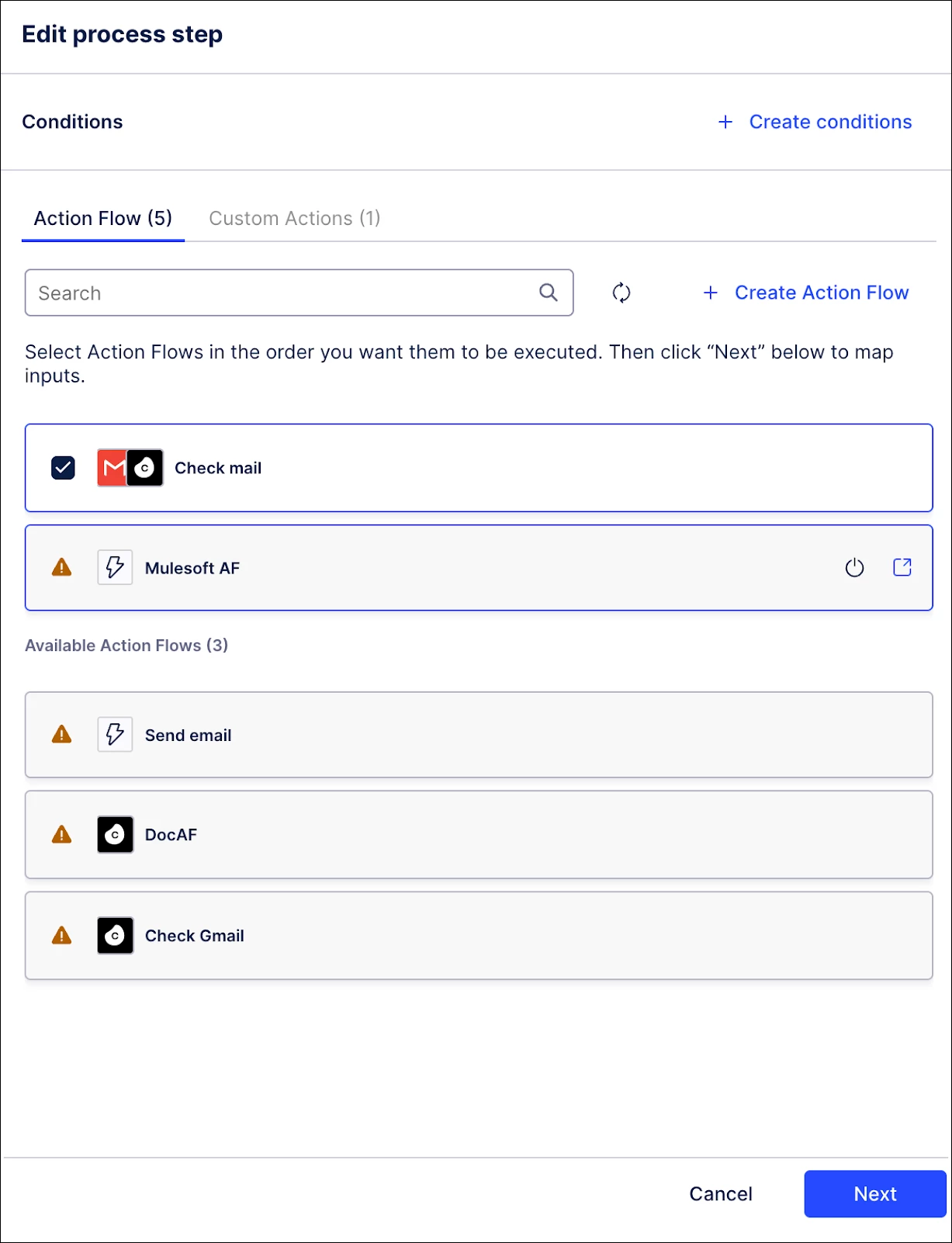
IMPROVED Better integration with Action Flows
Our latest changes bring a closer connection between Process Orchestration and Action Flows, making it faster to create and instantly reuse Action Flows within the same Studio package. You can now manage, monitor, and activate Action Flows directly from Process Orchestration when adding a new process step.
MACHINE LEARNING WORK BENCH
NEW Use the PyCelonis library to interact with Studio assets
The PyCelonis library now supports programmatic interaction with Studio Views , filling a critical gap for end-to-end CI/CD capabilities. This enables deeper automation of your Studio workflows, allowing you to script the creation of the visual layer of your Celonis apps alongside the logic.
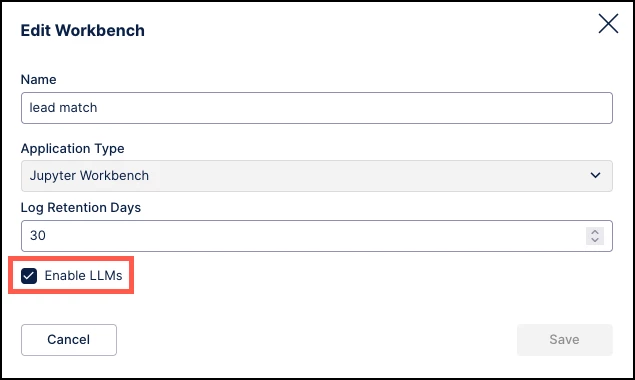
NEW PyCelonis Large Language Model (LLM) in workbenches now in GA
The new pycelonis_llm client library is now generally available, allowing users to integrate existing Celonis LLMs directly into their Machine Learning Workbenches. This integration includes automatic patching for common Python frameworks (like OpenAI and LangChain , removes the need for separate API keys, and improves the experience of building custom AI-powered applications.